
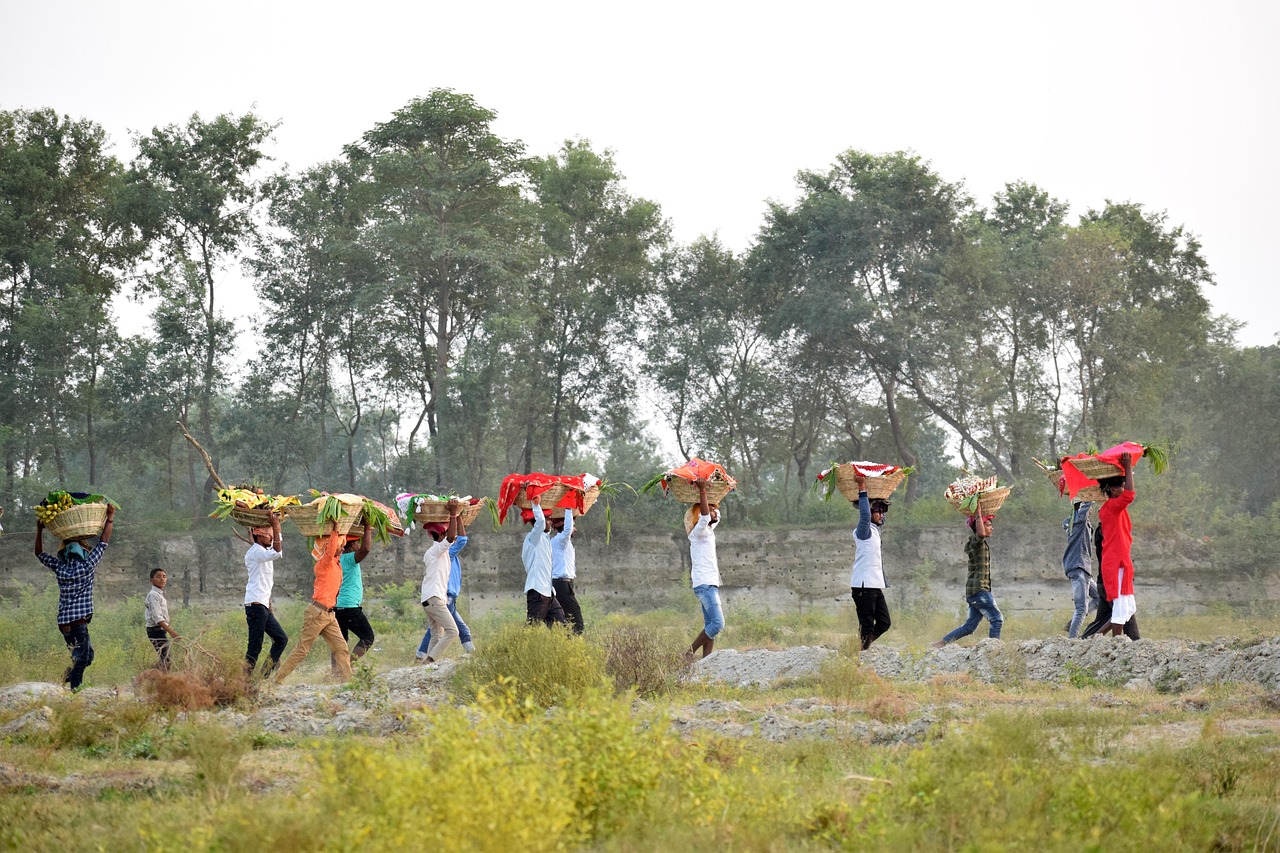
Every year, in the heart of the Indian states of Bihar, Jharkhand, eastern Uttar Pradesh and in parts of Nepal, devotees come together to observe one of the most ancient and spiritually rich festivals of Hinduism — Chhath Puja. In 2025, the festival is scheduled from October 25 to October 28.
Here’s a complete guide to Chhath Puja 2025 — its dates, significance, rituals, cultural meaning and how you can participate or understand it better.
📅 Dates & Timings (2025)
- Day 1 – “Nahay Khay”: October 25, 2025 (Saturday) — Devotees take a holy bath and eat a simple, pure meal.
- Day 2 – “Kharna”: October 26, 2025 (Sunday) — A day-long fast is observed, and after sunset the fast is broken with special offerings.
- Day 3 – “Sandhya Arghya”: October 27, 2025 (Monday) — The most iconic day: devotees stand by water-bodies at sunset to offer Arghya (water offerings) to the setting Sun.
- Day 4 – “Usha Arghya” & “Parana”: October 28, 2025 (Tuesday) — Before sunrise, offerings are made to the rising Sun; then the fast is broken and the festival concludes.
Why these days? Because the festival aligns with the Shashthi tithi (sixth day) of the bright fortnight of Kartika maasa in the Hindu lunar calendar.
🌞 Significance & Essence
- Chhath Puja is essentially about gratitude to the Sun (Surya Dev) and the goddess Chhathi Maiya, who represents energy, nurturing and wellbeing.
- The festival emphasizes purity, discipline and connection with nature — the cycle of sunrise and sunset, the river banks, the offerings all reflect this deep spiritual and ecological thread.
- Beyond ritual, Chhath also fosters family unity, communal harmony and cultural identity — especially for people from the “Bihari belt” but also those who live far away from their ancestral homes.
🕉️ Rituals Step-by-Step
Here’s a breakdown of the four days and what each involves.
1. Nahay Khay
- Devotees take a sacred bath in a river, pond or clean water body.
- The house and utensils are cleaned, pure vegetarian food is prepared — often simple fare without onion/garlic, highlighting purity.
- The ritual meal marks the beginning of the fast period.
2. Kharna
- After waking up early and preparing offerings, devotees observe a day-long fast, which for many ultimately becomes a 36-hour ‘nirjala’ (without water) fast up to the morning of the next day.
- At sunset, offerings are made: things like gur (=jaggery) kheer, fruits, puris and other regional items are prepared and then eaten after offering to the deity.
3. Sandhya Arghya
- This is the climax: devotees/entire families gather on river banks by sunset. They hold “soop” (bamboo basket) with fruits, sugar-cane, thekua (a special sweet), etc.
- They offer arghya to the setting Sun: water, arghya with folded hands, in waist-deep water perhaps. It’s a deeply moving scene of devotion, light, reflection and community.
- This night the fast continues, often without water or food until next morning.
4. Usha Arghya & Parana
- Before sunrise, the ritual of offering to the rising Sun is performed. Devotees stand by the water body in the first light of dawn.
- After this, the fast is broken (“Parana”) with prasad and water. The festival completes, blessings are sought for family health, children, prosperity and harmony.
🎉 Cultural Highlights & Local Colour
- The spectacle of the river-banks at sunset and dawn: lamps (diyas) glowing, women in bright sarees, baskets full of offerings, folk songs floating in the air.
- Thekua (a special deep-fried sweet made of wheat flour, jaggery, ghee) is almost always part of the offering.
- The festival also raises environmental awareness: the emphasis on natural offerings, minimal waste, clean water bodies reflects how Chhath is aligned with ecological consciousness.
- For people living away from home (in metros etc.), Chhath becomes an anchor of cultural identity and a time to return to roots.
✅ Tips for Observers & Participants
- If you’re participating: Choose a safe river-bank or ghât. In 2025 there are reports of some ghâts being declared unsafe in places like Patna — so check local administrative advisories.
- Cleanliness matters: From utensils to the venue, the level of purity is part of the ritual ethos.
- Respect the fast: If you are among the devotees fasting, ensure you’re medically fit for it. Offerings and later prasad must be prepared hygienically.
- If you are a visitor or spectator: Keep the environment clean. Avoid plastics or unnecessary noise at the ghât. Honour the sanctity of the moment.
- Travel early: Given the festival’s scale and the rush, especially in states like Bihar/UP, make transport plans ahead.
🌍 Why It Matters Beyond the Region
Even though Chhath is regionally rooted, its message is universal: gratitude for nature, the sun that gives life, the body that fasts and purifies, the community that gathers. In a world seeking more connection — to nature, to self, to society — festivals like Chhath offer something more than ritual: they offer reflection.
As one Reddit user summarized:
“Chhath is about gratitude, love, and light … wherever we are in the world … when that Chhath song plays — dil apne aap ghar chala jaata hai.”
🔚 Final Thoughts
As Chhath Puja 2025 unfolds from 25 – 28 October, let us remember its true spirit — a humble, honest offering to the Sun, to life, to our families, and to the Earth. It is not just about elaborate rituals, but about devotion, discipline and gratitude.
Whether you are observing it fully, watching from afar, or simply reading about it with interest — may the rising sun bring hope, health and harmony into your life.
Jai Chhathi Maiya! 🙏









Leave a Reply